

the respectful
thread
il filo
rispettoso
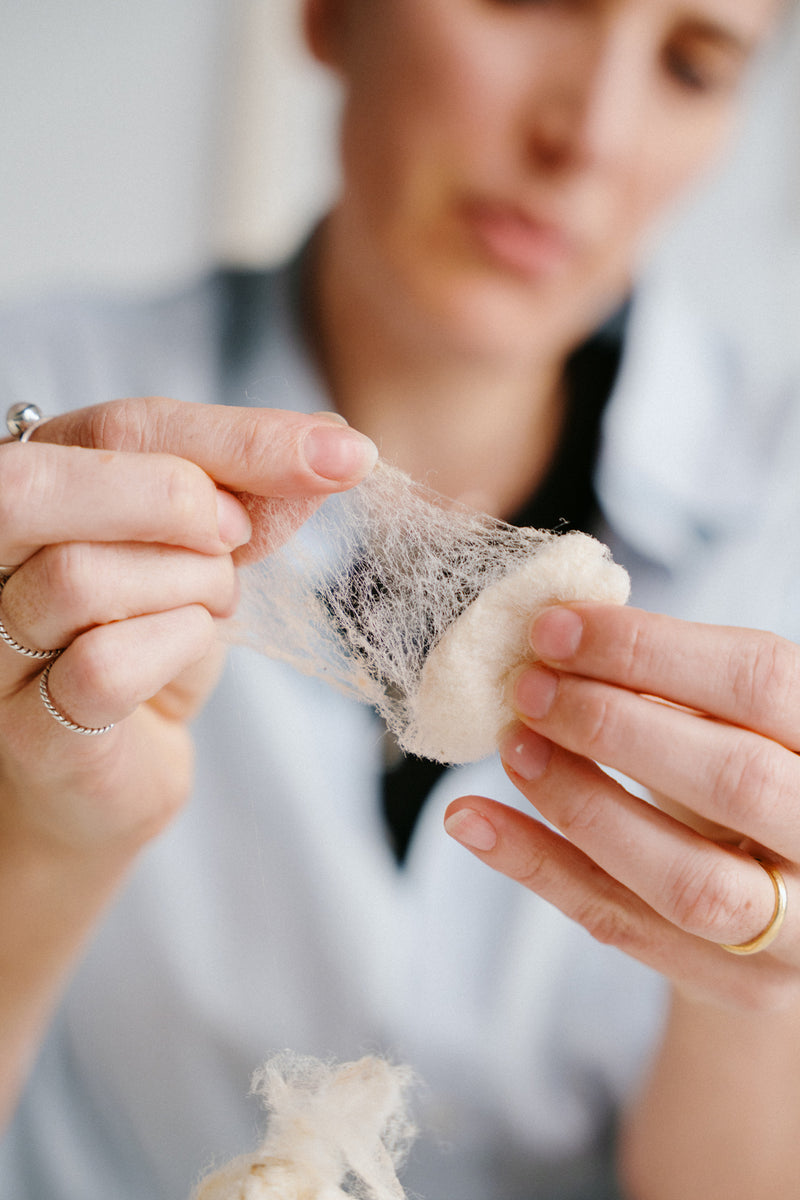
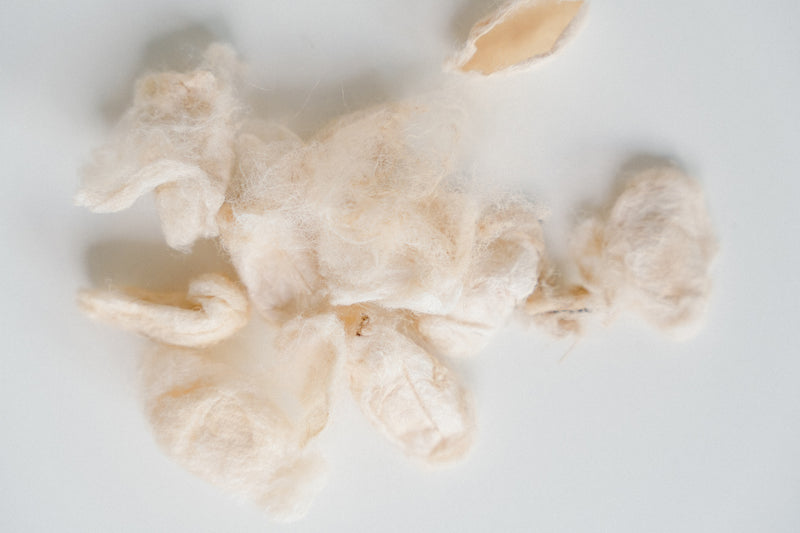
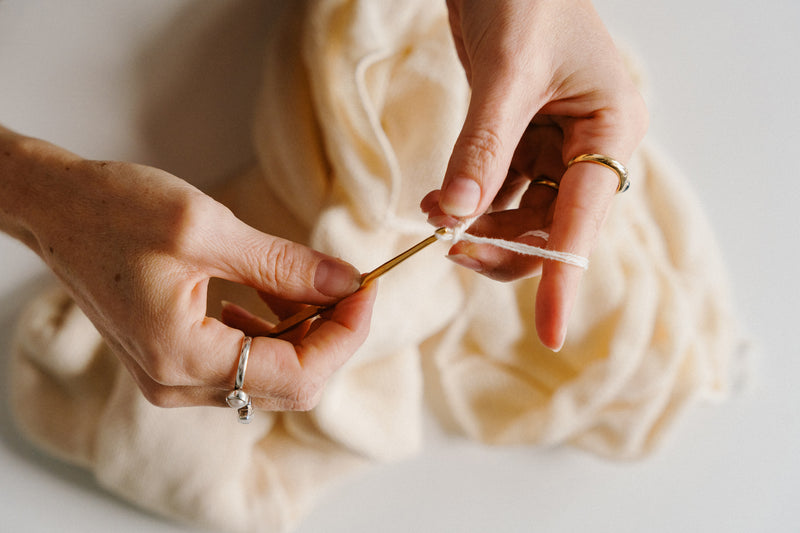
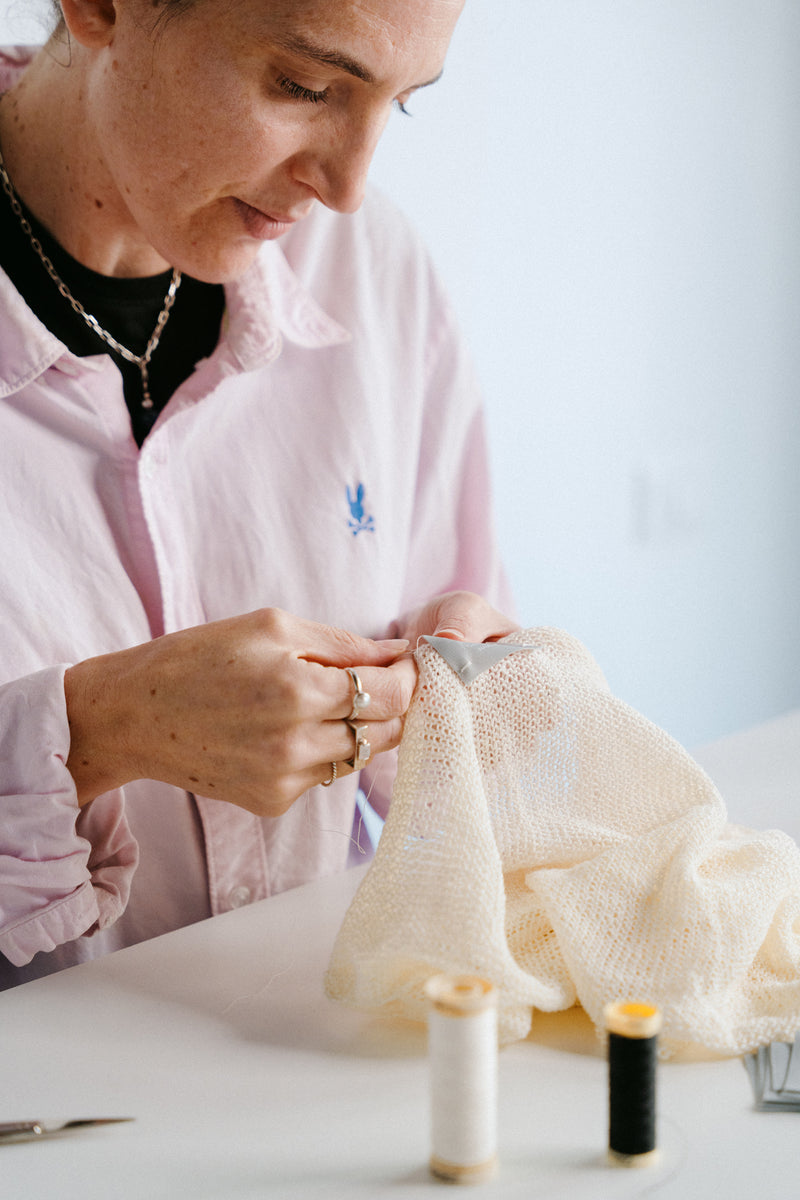
A silk harvested without harm — from the Samia ricini moth, native to Northeast India. Also known as Ahimsa or peace silk.
Una seta raccolta senza danno — dalla falena Samia ricini, originaria del nord-est dell'India. Conosciuta anche come Ahimsa o seta della pace.
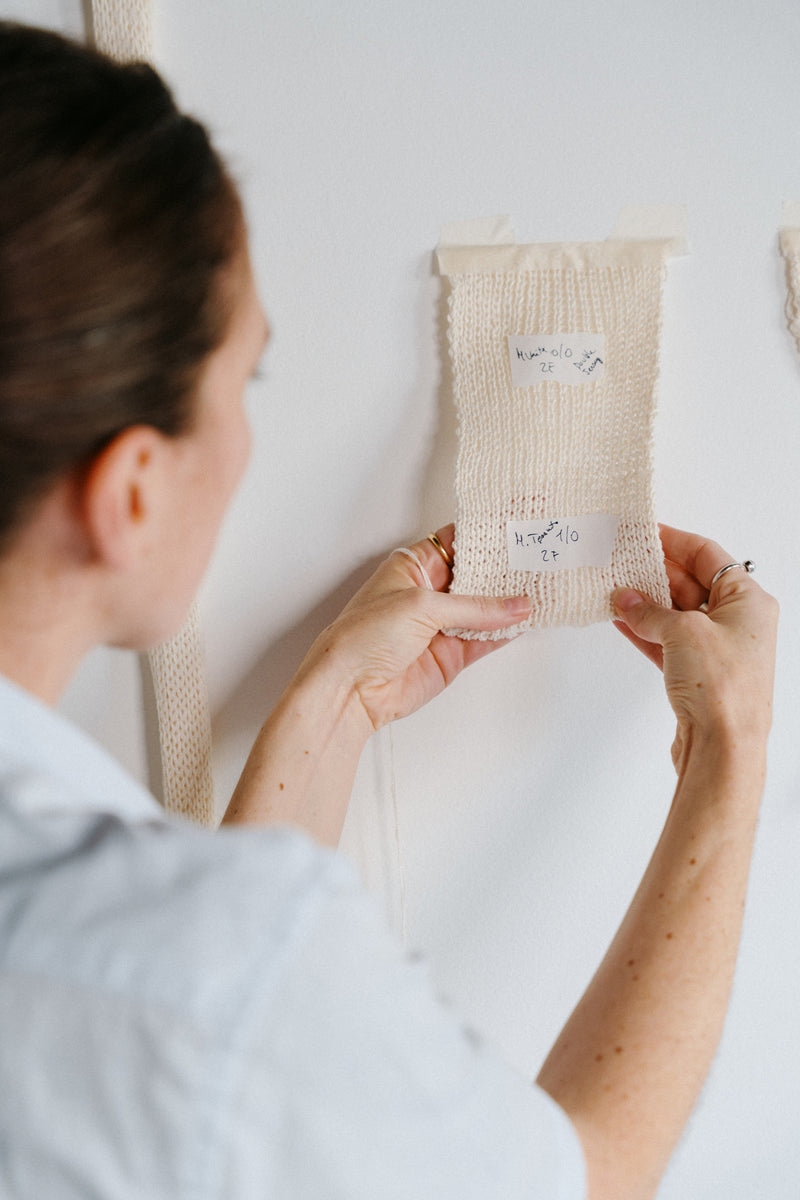
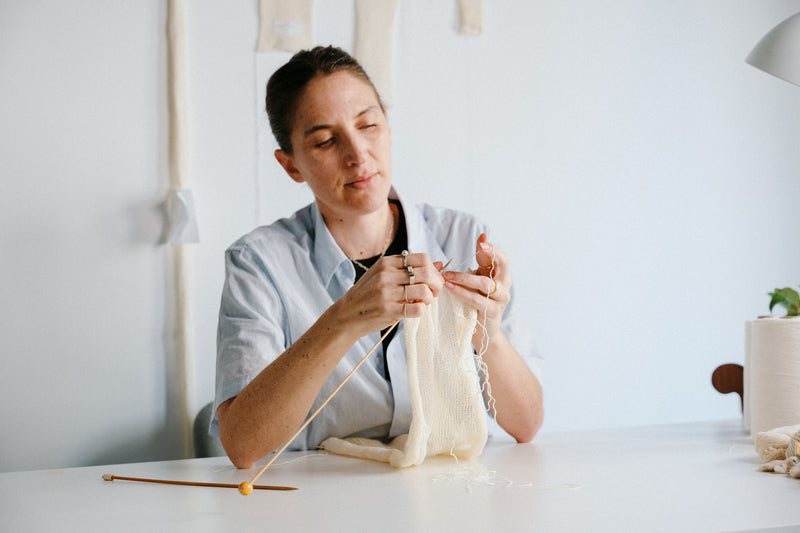
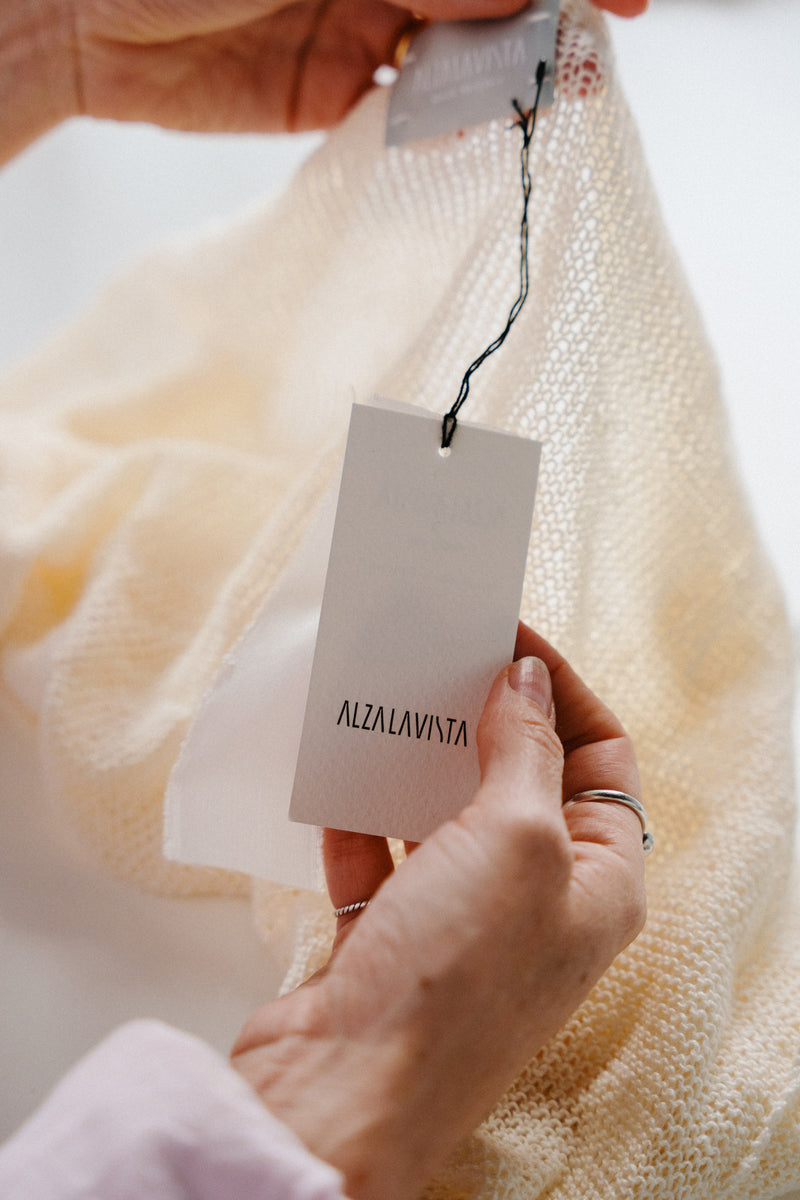
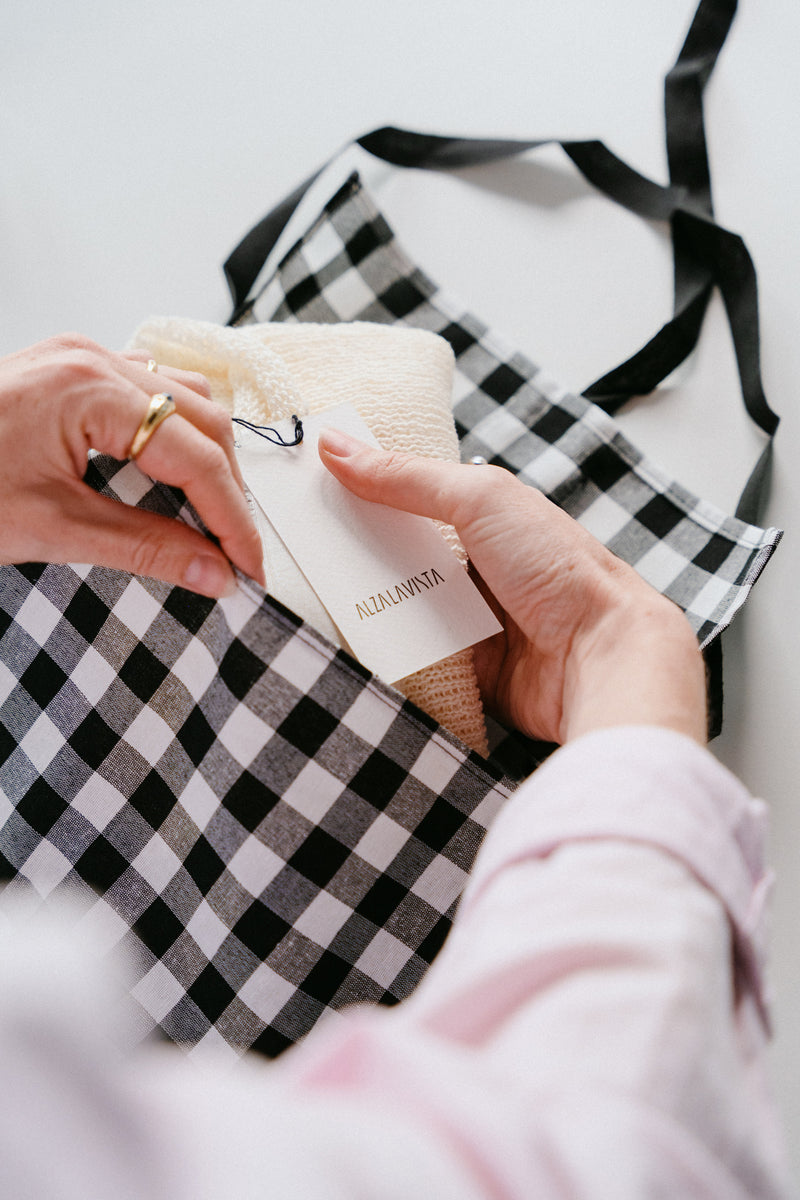
From cocoon to garment Dal bozzolo al capo


A fibre
unlike any other
Una fibra
unica nel suo genere
Naturally insulating. Cool in summer, warm in winter. Naturalmente isolante. Fresca d'estate, calda d'inverno.
Strong, breathable, washable. Made to last a lifetime. Resistente, traspirante, lavabile. Pensata per durare tutta la vita.
Soft and warm with a slight coarseness — closer to cotton or wool than traditional silk. Morbida e calda con una leggera ruvidezza — più vicina al cotone o alla lana che alla seta tradizionale.
A quiet, matte finish. Free of the glossiness of mulberry silk. Una finitura opaca e sobria. Priva della lucentezza della seta di gelso.
Naturally off-white, cream, or reddish. Receives dye beautifully. Naturalmente bianco avorio, crema o rossastro. Accoglie i colori in modo splendido.